In southwestern Småland lies the Fairy Tale Region, an area characterized by a long tradition of storytelling. In the past, stories were passed from mouth to mouth, today the Fairy Tale Region, run by the Storytelling Network Kronoberg, works to preserve the many mythical legends that have lived through history.
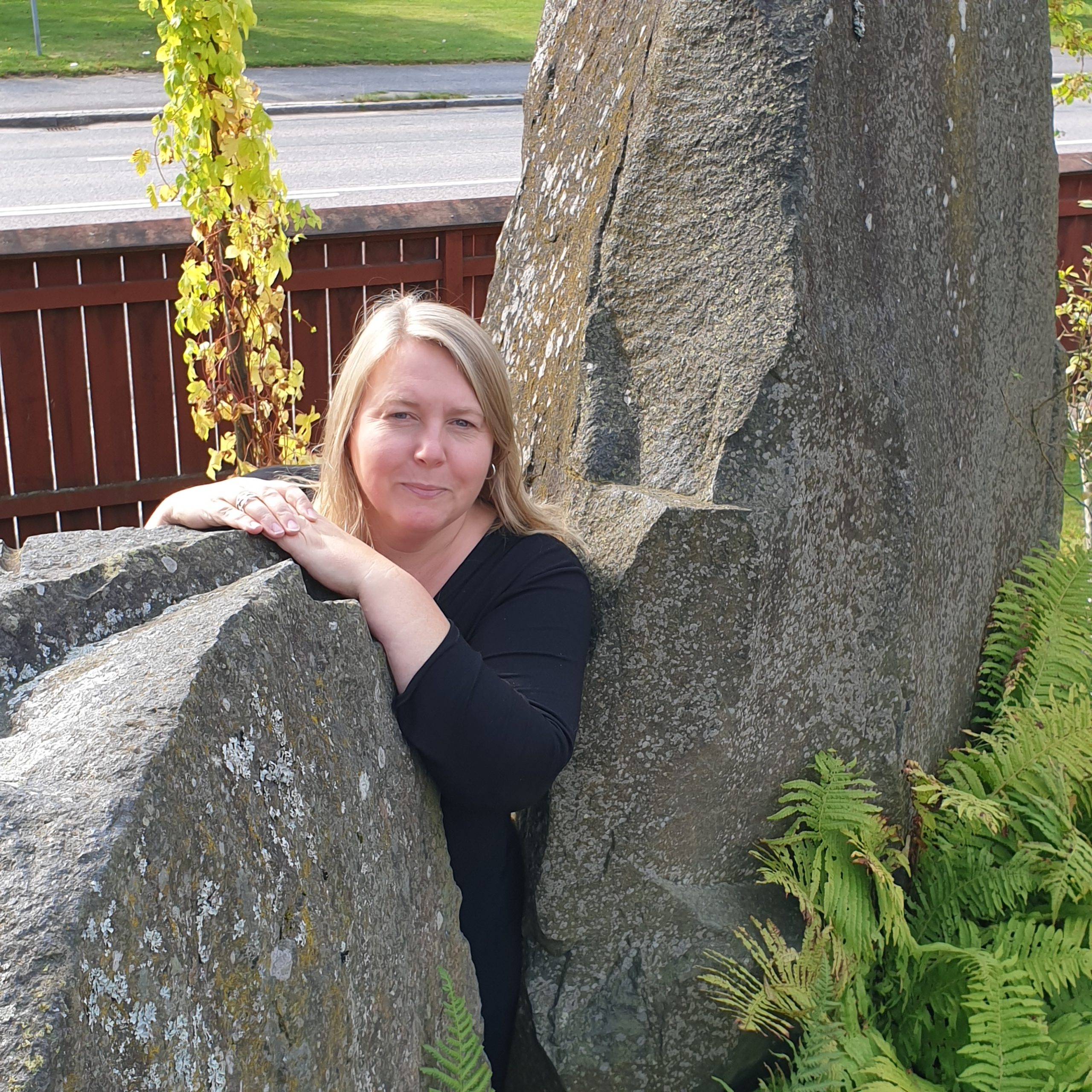
– We have so-called Legend Cabinets out in the landscape that tell about something that has happened there. It could have been someone who was taken by trolls, it could have been someone who outsmarted the Danish soldiers, or a story about a wise old woman, says Lina Midholm, storyteller and curator at the Fairy Tale Region.
The focus is usually on the stories that are up to a thousand years old, but the Leader project Vital Stories instead deals with the 20th century and onwards.
– Today we think that the old stories are really exciting, but in their time it was perhaps just everyday fare. It's the same with our stories now, they may not be so exciting now, but will be in 100 years.
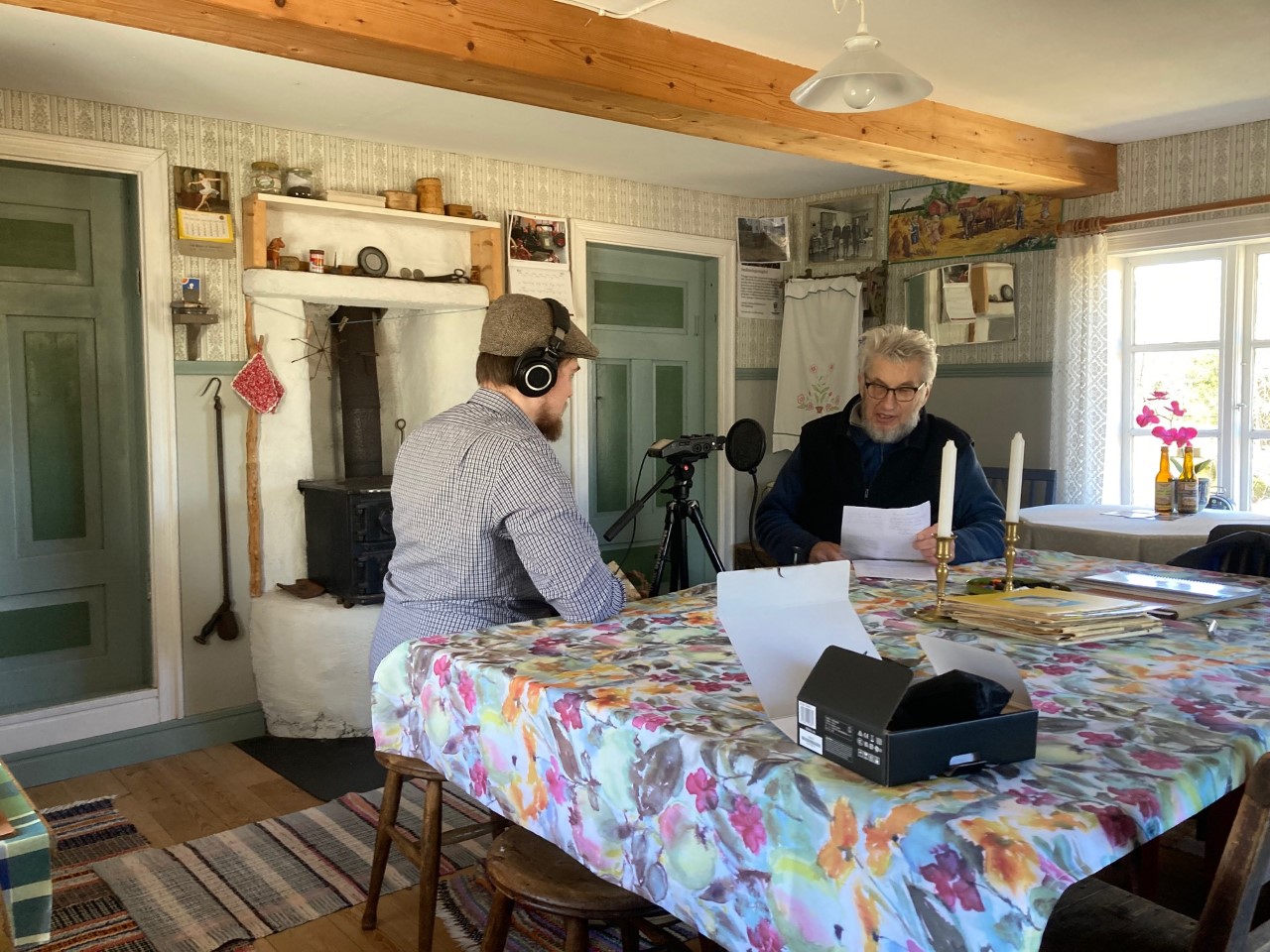
On the Fairy Tale Region's website, there are stories that have been recorded by people around the area. The project also includes storytelling cafés, but it became difficult to carry out during the corona pandemic.
– We were informed that we had received funding for the project when the pandemic was at its worst. This is a very social project, it’s about gathering people, letting folks inspire each other. It was really difficult at the beginning. Here at the end, we have been able to shift gears and have had storytelling cafés in all our municipalities, she says.
The stories range from personal childhood memories to a broader perspective on a locality. A theme brings people together and triggers the imagination.
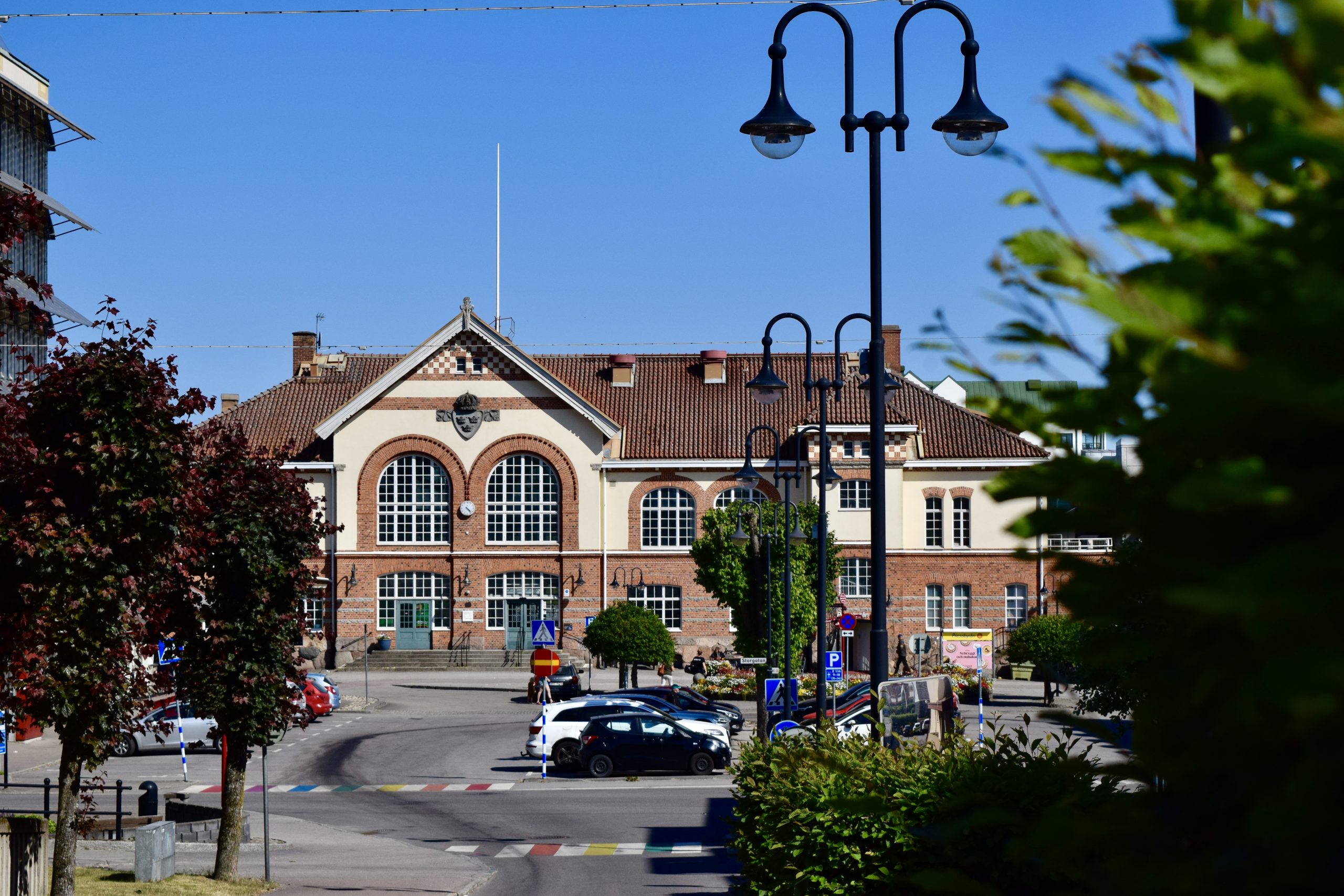
– In Alvesta, it was about meeting places and journeys, considering the station there, because what happens in such a place? We have, among other things, recorded a woman named Siw who tells a childhood memory about when she took the train between Visslanda and Alvesta when she was going to school.
”Today we think that the old stories are
really exciting, but in their time it was
perhaps just everyday fare.”
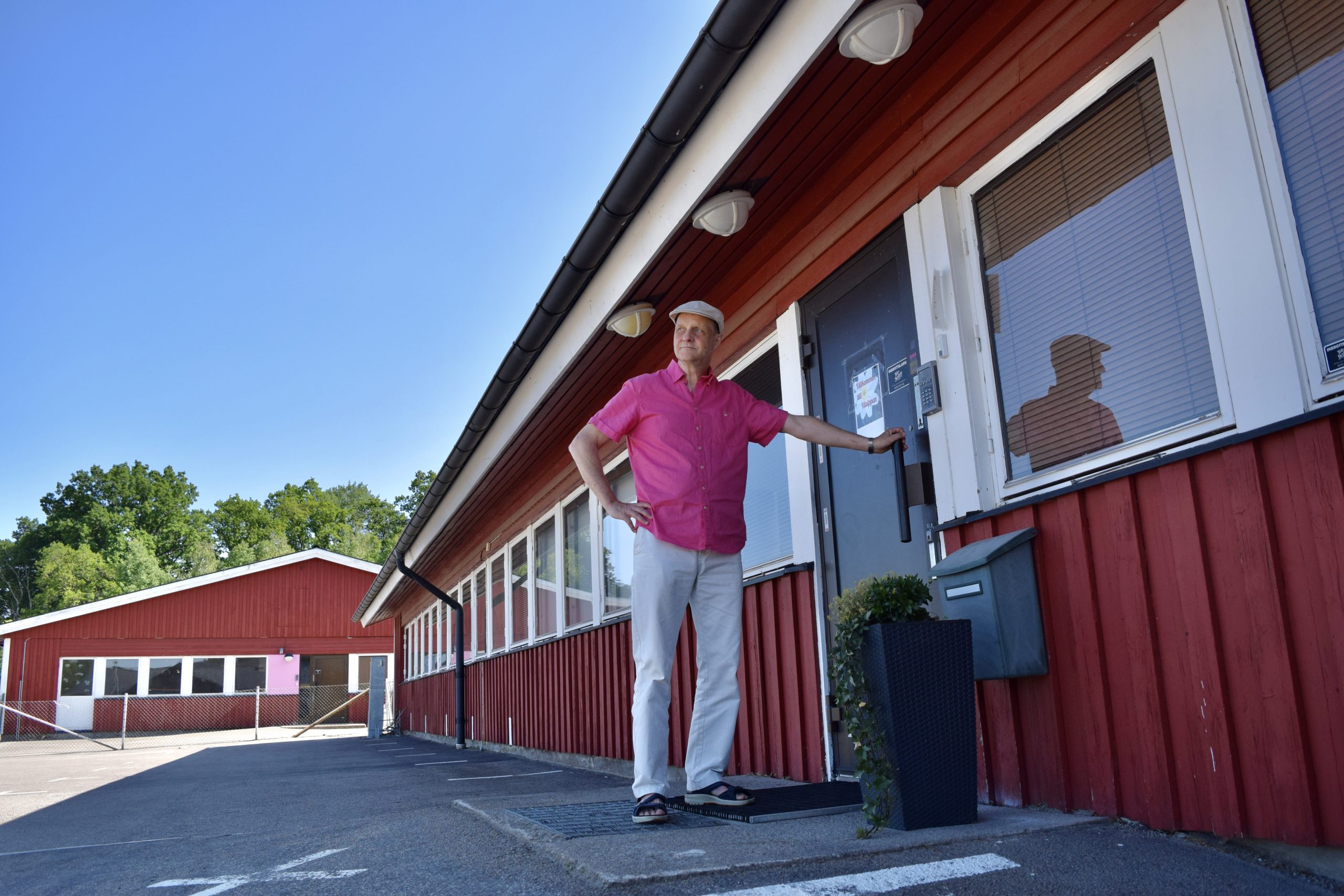
Another person who was at the storytelling café in Alvesta was Christer Nordmark. He has lived and worked here for many years, especially in immigration and integration.
– It is important to tell how significant a part immigrants and refugees have been for Alvesta's modern history, says Christer Nordmark. He knows a lot about the subject. In his job as editor for the Immigration Agency's staff magazine and later as a communicator for the agency, he came close to reality. At home on the street in Alvesta, people from all countries live. He points to the houses around.
– He came as a refugee from Chile after the military coup, those over there are from Poland, he is from Albania, those directly across are from Bosnia. The one operating the machine over there, he comes from Kosovo.
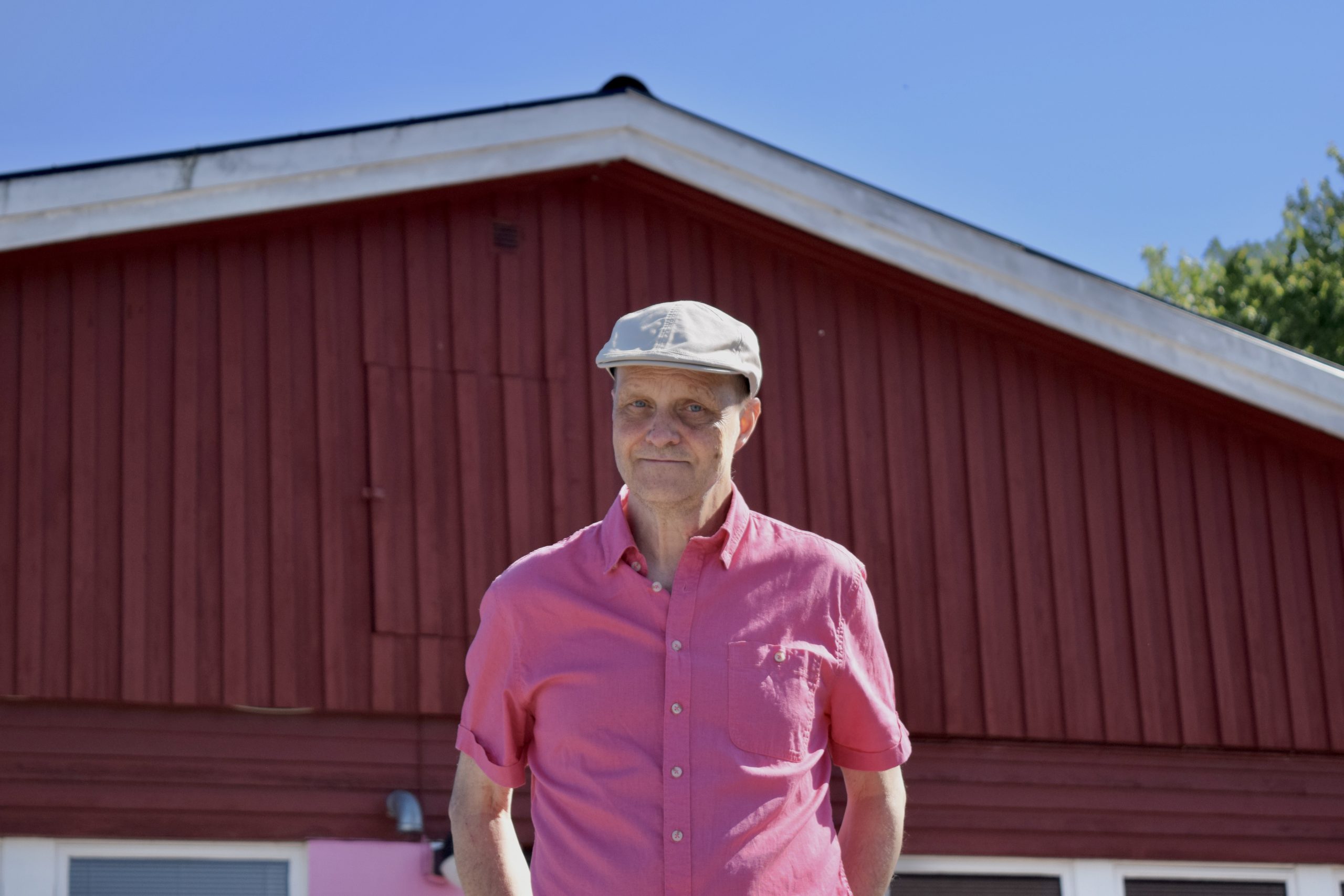
The refugee accommodation in Alvesta started in the early 1960s and was then under the Labor Market Board, part of the Employment Service, for labor immigrants from, for example, Greece and Yugoslavia. It was called the AMS village.
– There was a great need for labor throughout Sweden. The other accommodations around the country were closed down, but in Alvesta it was taken over by the Immigration Agency in the early 1980s, he says.
When the accommodation was later moved from the southern to the northern entrance, it became a large facility with 25 small separate houses, large gathering places, a dining hall, and an office area.
– Many refugees came from Latin America after the military coup in Chile in 1973. Then people came from the Middle East and North Africa. And then many came when Yugoslavia fell apart in 1992-1993. At that time, the accommodation was at its largest, Christer recounts.
In Alvesta, there was also the regional office for the Immigration Agency. It is significant for a small municipality of about 20,000 inhabitants.
”It is important to tell how large a part
immigrants and refugees have been for
Alvesta's modern history.”
In his story, Christer Nordmark does not only take the broad view of Alvesta; he also recounts small episodes that people in the community still talk about. Like the one about the evil eye, which shows how cultures meet.
– In many cultures, one can send the evil eye to someone. If I were to send the evil eye to you, you would know that you would become ill or suffer from something bad.
One day, an African woman came to the accommodation staff to tell that a man had sent the evil eye to her child.
– Instead of scoffing, the staff were so skilled and knowledgeable that they contacted the Catholic Church, which still worked with exorcism.
The Catholic Church in Växjö sent a priest who met the child and the mother.
– He read over the child, and when he was finished and made the sign of the cross, the mother said: yes, now the evil eye is gone. But the thing was that the child might have become ill if the priest had not come. The mother
might have seen the child as sick, treated it as such. Or maybe it works. I don’t know!
Christer gestures with his hands. He notes that it is a good example of how the accommodation handled different cultures.
In addition to stories, the refugees have also generated many jobs for the small town.
– Very many people my age or older have worked at the accommodation or the regional office. Not to mention the shopkeepers, Christer recounts.
Alvestabor went to clothing stores to buy clothes for the refugees, and when the accommodation was closed down, the largest clothing store in Alvesta also closed. When the dining hall was abolished and the refugees instead received money, they spent it in the grocery stores.
– They had no car or bicycle, so they took the cart home from the grocery store. The carts were left at the accommodation, but the one who owned the store said it was no problem. He drove there
with a trailer regularly and picked up the carts. The shopkeepers, both clothing stores,
grocery stores, and the municipal housing company survived thanks to the refugees.
As far as he can remember, there have not been any major incidents in Alvesta regarding the refugees, as there were in other places in the country where firebombs were thrown at accommodations.
– We have so-called Legend Cabinets out in the landscape that tell about something that happened th….
– The idea with the facility was actually that one should not live there forever, but that one would move on to a permanent residence. But very many ended up staying in Alvesta. This has made Alvesta more multicultural, says Christer and continues:
– If you want modern stories that people still talk about, Alvesta is a great subject.
Listen to Christer and other storytellers here: sagobygden.se/en/tag/life-important-stories
Published: October 17, 2023