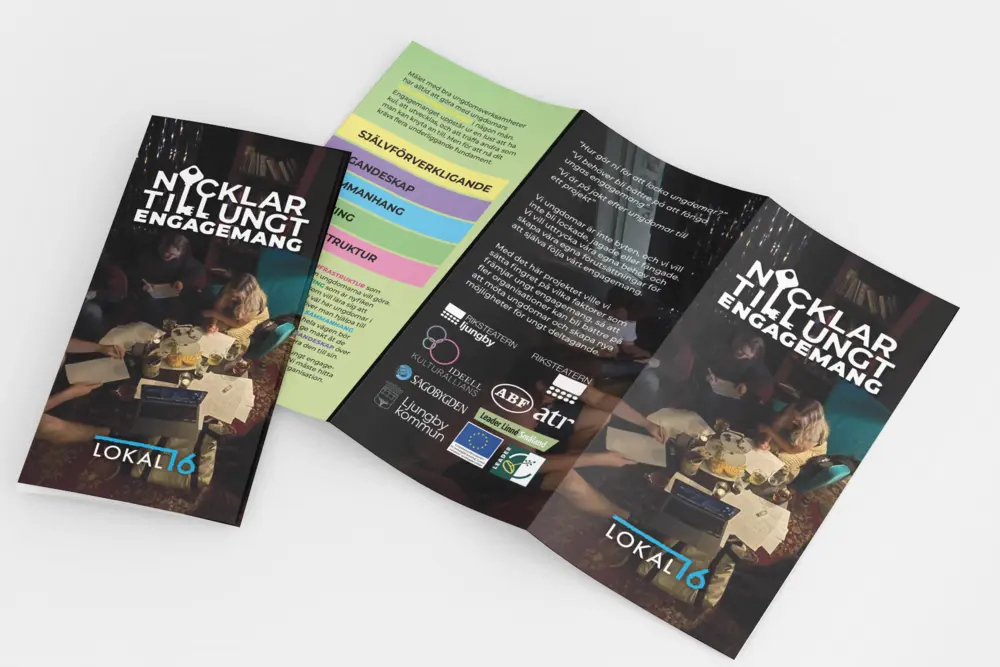
At Theater 16 in Ljungby, young people have long been an obvious part of the operation. But what is it that actually makes young people engage in an organization? That question led to the Leader project Keys to young engagement, where the association wanted to articulate its own successes and create a model that can be used by others.
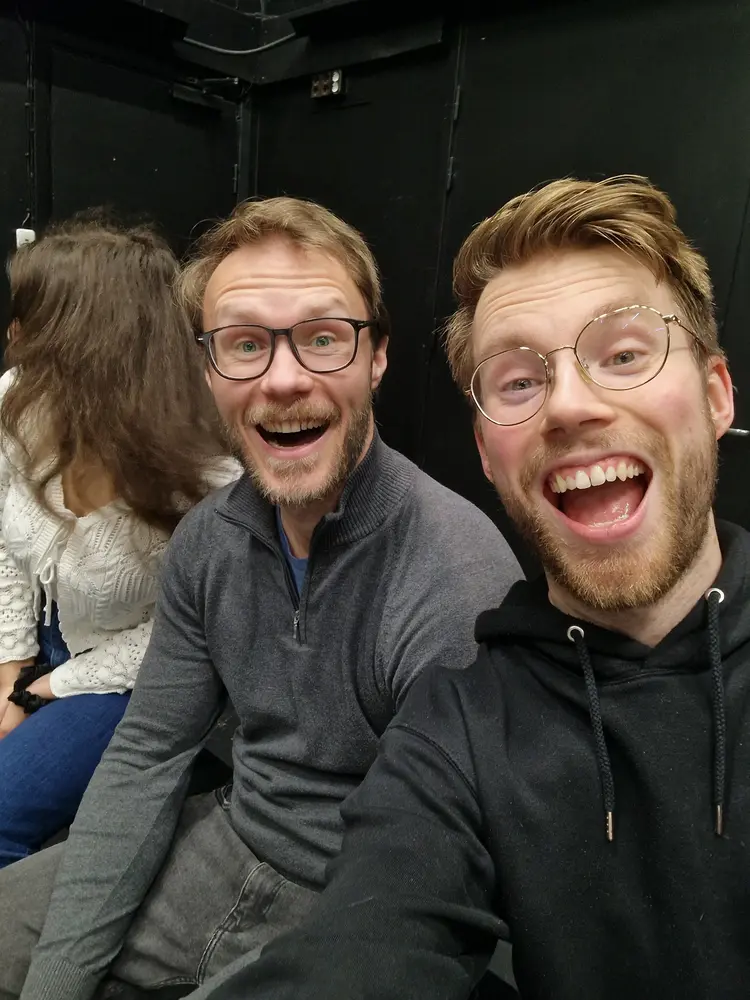
– We have managed to build a platform for young engagement in culture, but we have never had the time to really sit down and analyze what it is that we have done to succeed. Now we wanted the opportunity to investigate which success factors we could identify, says project leader Peter Malmberg.
Engagement is built through freedom and responsibility
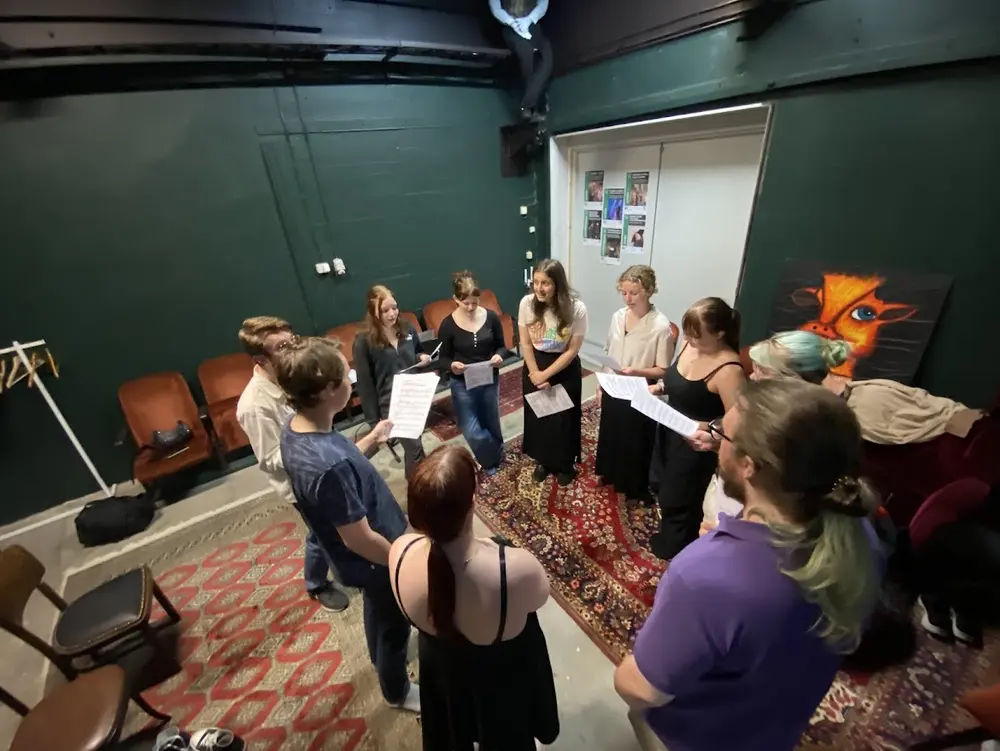
During the project, young people themselves have been able to lead groups and test what works in practice. Edwin Klaesson, one of the leaders, started a youth choir and faced both successes and challenges along the way.
– What I have learned from this is to really follow the group's own will, to simultaneously provide clear goals and expectations, and also not to forget to have fun myself – it is often then that it becomes relaxed and good, says Edwin.
That young people get a real role in the organization, where they have both responsibility and freedom, is one of the most important lessons from the project. Edwin shares how he himself becomes inspired and engaged:
– I believe that the most important thing is to give me (1) freedom and (2) responsibility within (3) something I am interested in. Freedom without responsibility or expectations becomes too vague, responsibility without freedom or room for interpretation becomes too limiting, and if it is not anchored in any of my interests, then there is no point from the very beginning. All three are needed!
Models that show the way
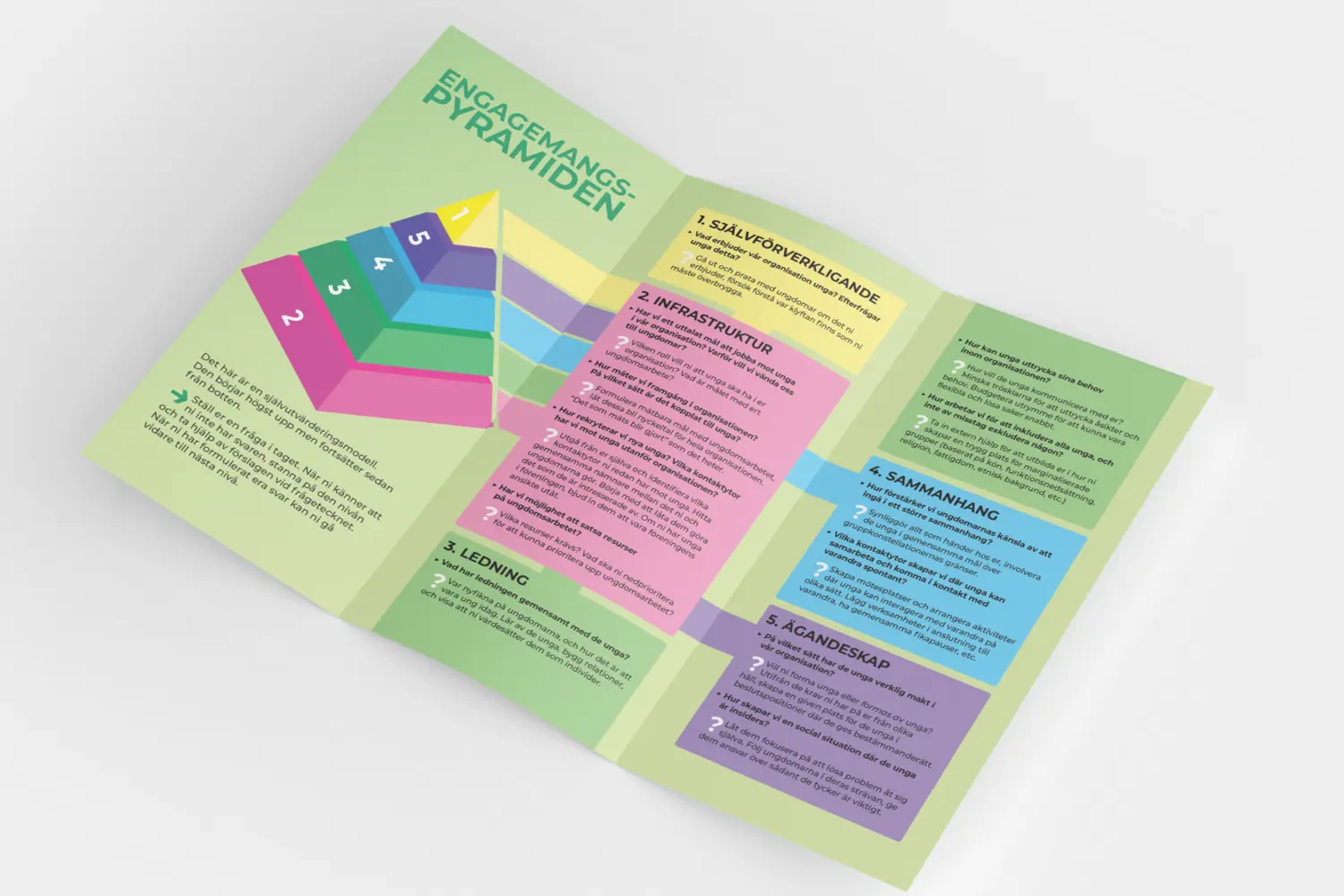
In the beginning, one of the goals was to develop a checklist that organizations could use to identify how they best work with young people's engagement. However, during the course of the project, it became clear that there is not just one way to success. Instead, the project was inspired by Maslow's hierarchy of needs – a model that deals with human motivation. The result was the Engagement Pyramid, which summarizes five key areas at different levels to help associations understand and strengthen young people's participation. You can download the brochure with the model on the project's website.
– There are no shortcuts to young engagement. You have to invest and do the work. There must be a genuine desire to work together with young people, learn from them, and be shaped by them, says Peter.
To capture more perspectives and spread the results further, the project also recorded nine podcast episodes where they discuss with various guests what creates engagement. Listen to all episodes here.
What happens now?
Teater 16 will continue to use the model in its own operations and hopes that more associations will want to take part in it.
– There is a great general interest in the fundamental question ”how do we get young people to want to engage with us?” It recurs everywhere in society. We see that the model has helped us focus our operations and make better decisions. Now we want to go out into the association life and continue working with it to ensure that it works in many different contexts. We are very much looking forward to that work, says Peter.
Do you want to know more about the project? Take part in the method and project report below.
Homepage
Podcast (Spotify)
Project report
Published: February 3, 2025