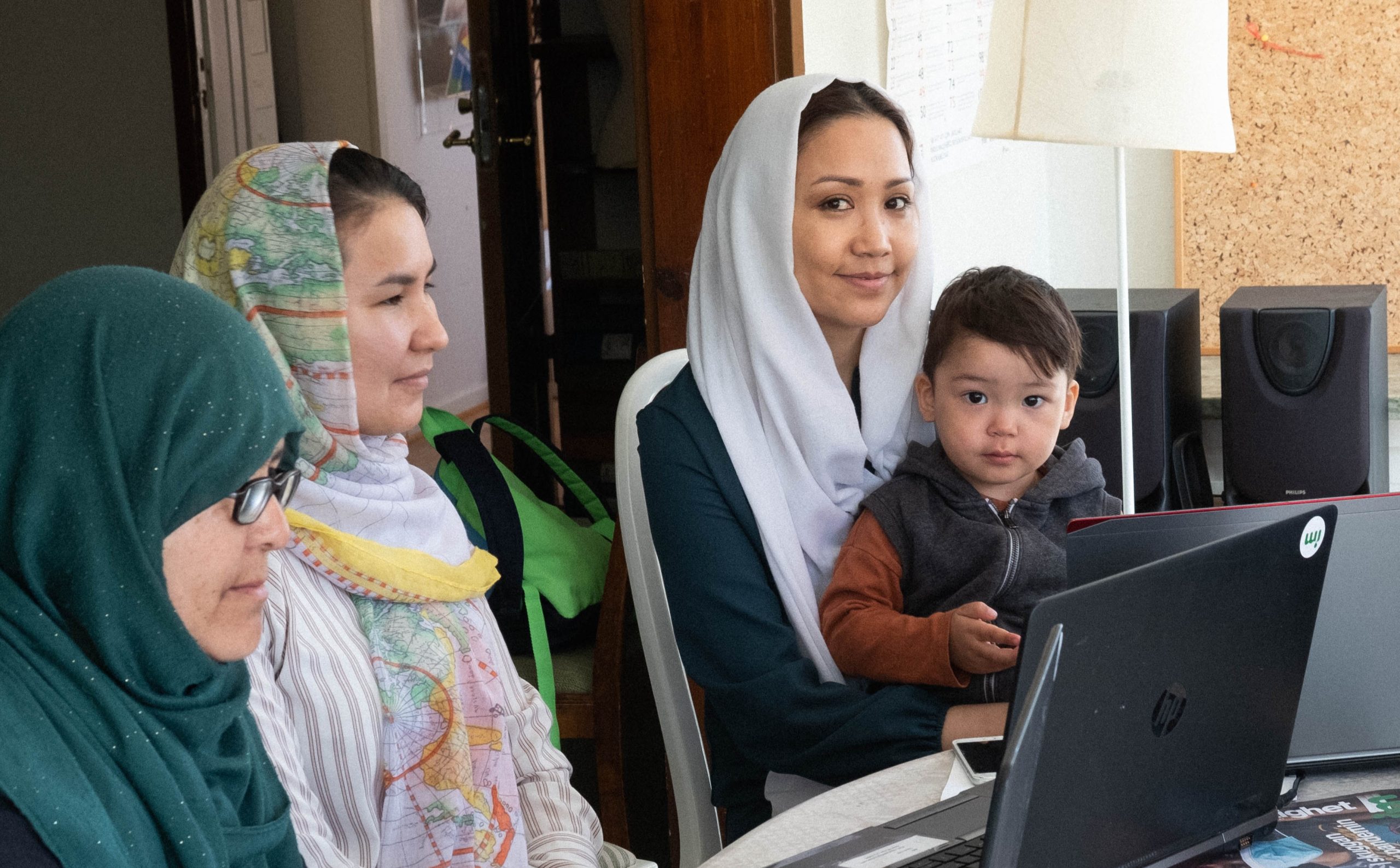
That Zoom is strongly linked to the pandemic era is something many can attest to. Clips of someone accidentally saying something inappropriate believing the microphone was off, or accidentally turning on an unwanted cat filter, have gone viral. But for others, it has not been obvious to connect to a digital meeting. Digital exclusion also existed during the pandemic, alongside all the new technical and innovative solutions. And the threshold for learning can be high.
At IM, Individual Humanitarian Aid, in Vrigstad, there was already a ready project idea. They would organize meetings where participants could both practice Swedish and become more digital. Even those who had never used a computer before could turn to this. When society does not include more in the digital landscape, and there are no nets to catch those who are outside, non-profit forces wanted to find ways to reach out.
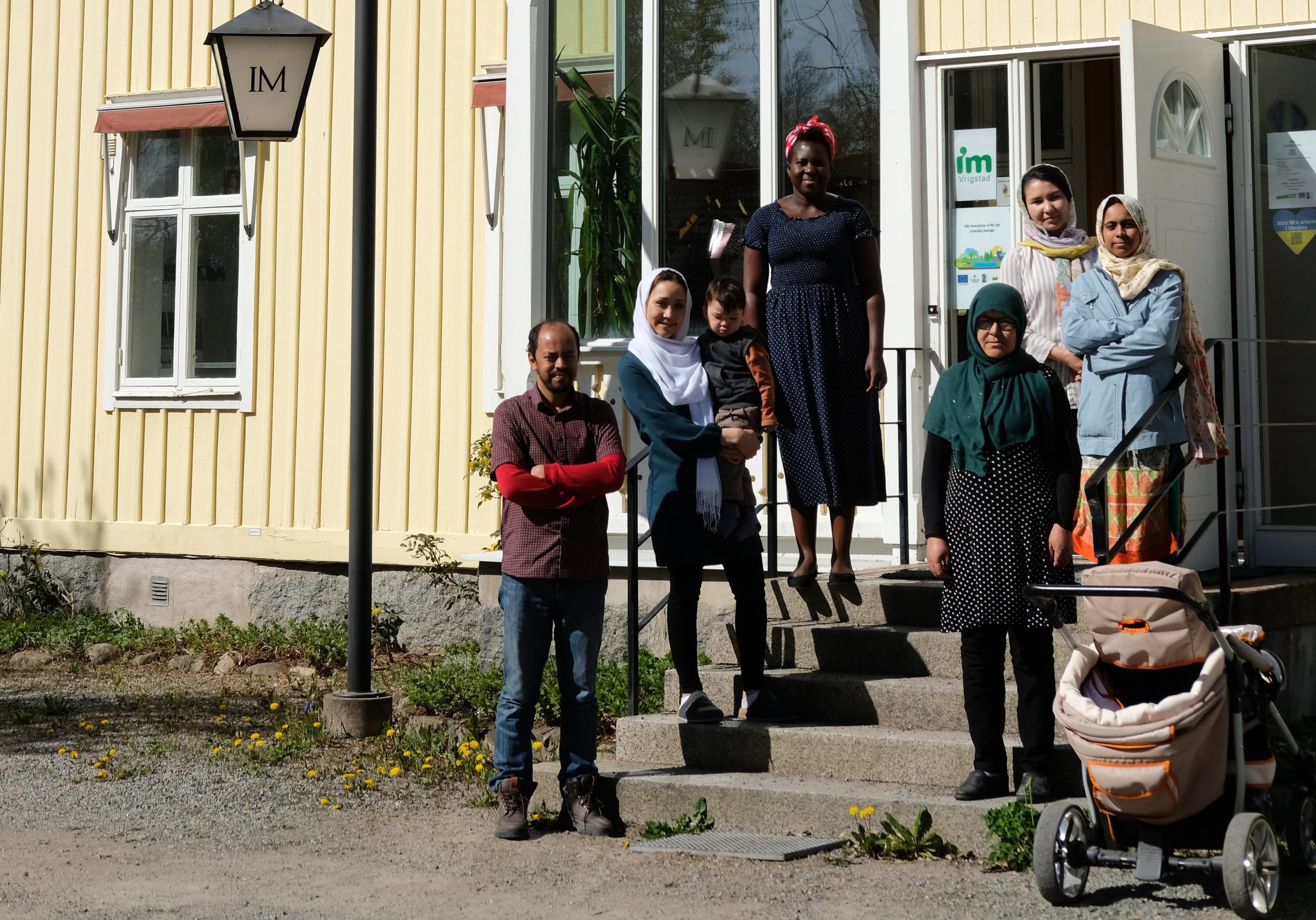
But then came that pandemic, the one that no one was really prepared for.
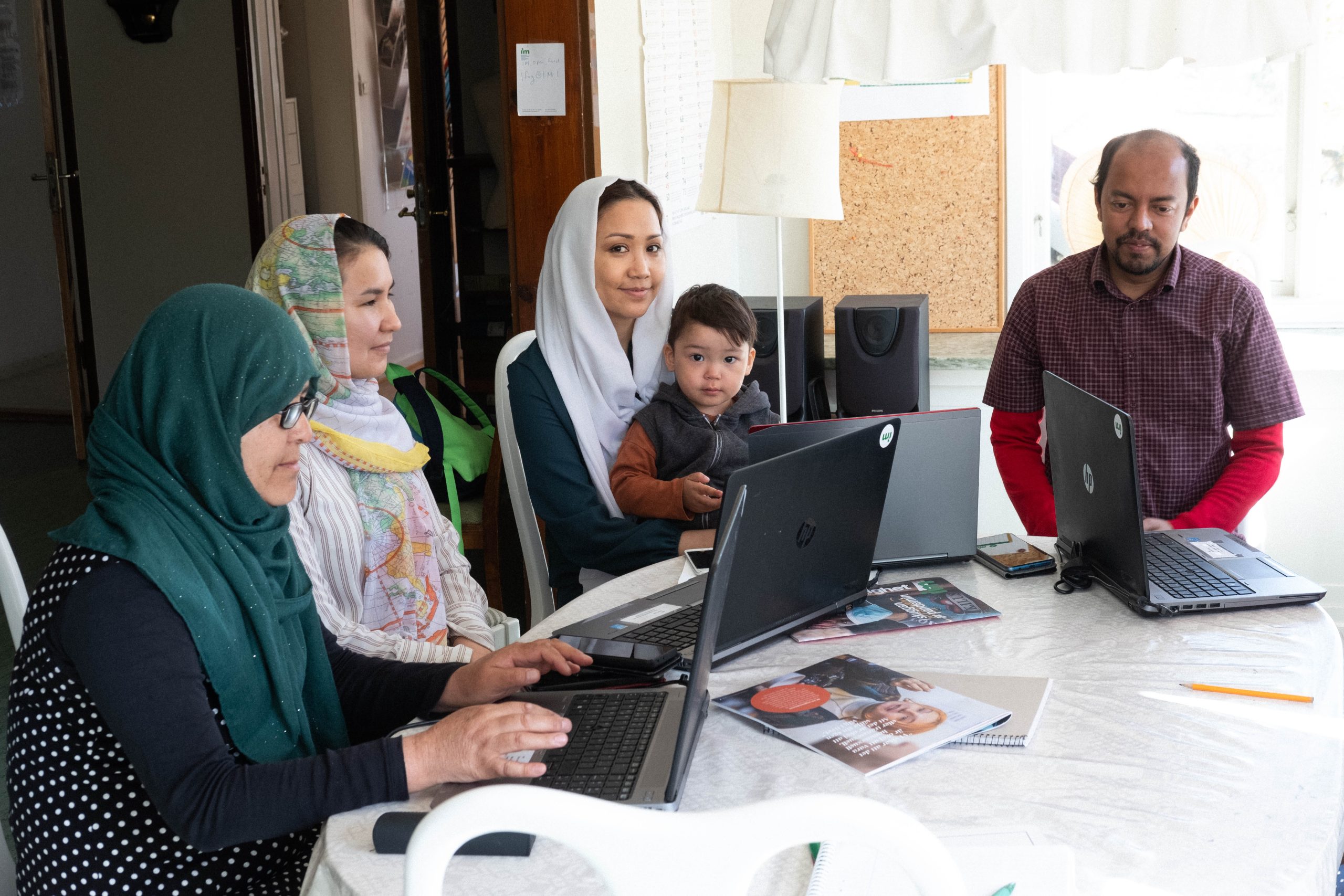
– It was a big challenge. The idea was to be able to sit next to each other and learn that way, but we had to start completely remotely, says Syed Latif, who worked as a project manager at IM during the project.
He remembers that first Zoom meeting. It took a full five hours before all participants had received the guidance and managed to get in. But in the end, it worked!
– Inclusion takes time. People are different and have different abilities and interests, says Syed.
But technical glitches and other difficulties did not hinder the participants, who had the most important thing with them. The will.
– Many want to learn, but it takes time.
”Inclusion takes time. People are different and
have different abilities and interests.”
More digital meetings took place before the restrictions were lifted. Participants got to practice speaking Swedish and learn different functions in computer programs and on the web. One of those who participated in the project is Janutal Naima Syed. She shares that she previously did not know how Zoom worked or how to attach and send files. At the meetings, she has also learned to make PowerPoints and use Word.
– I study accounting remotely, and otherwise, I would not have been able to do that, she explains.
Several of the participants have been in prolonged migration processes, which has meant that they have not yet gained access to SFI, Swedish for immigrants. One of them is Maryam Jafari, who has sought out IM to learn Swedish.
– It fits perfectly to be able to do it from home with the help of Zoom since I have a small child at home. I have also learned to write CVs and send out forms.
But the meetings have also had other elements. At one meeting, the region's health communicators participated to answer questions about the coronavirus and the vaccine, in several different languages. Finding information from reliable sources on your own, without knowing Swedish and without digital skills, is not a simple equation. A total of 120 people participated in the information session. Many felt more secure afterwards.
– It led to most people actually changing their minds about the vaccine and choosing to get vaccinated, says Syed, who believes that the pandemic particularly highlighted that many lack sufficient digital skills, and how important it is for everyone to be included.
Do you want to know more about IM? Visit their website: imsweden.org
Published: October 17, 2023