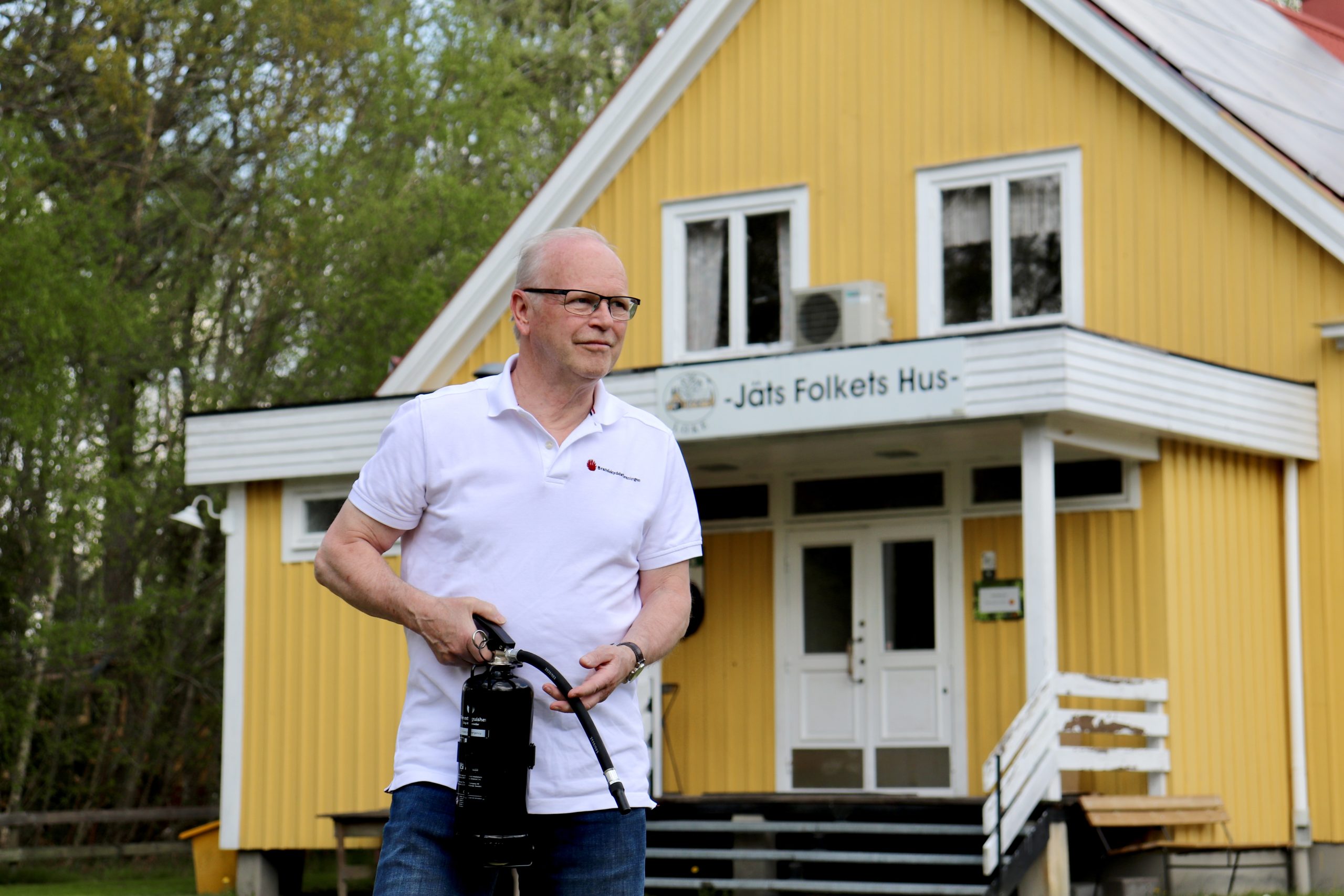
With 35 years of experience in the fire service in Växjö, Thomas Wrååk, now retired and engaged as the operations manager at the Fire Protection Association Kronoberg, is more than committed to the issue. For the past 20 years, he has worked in preventive fire protection, and he is also the one who has trained villagers in the project.
– Many take fire protection training at their workplaces, but this training has focused on fire protection in the home. It is about how we secure our homes against fire.
The Safe Village project is inspired by a similar project in Jönköping County – also carried out with support from Leader Linné Småland. Safe Village aims to identify villages in rural areas that are far from emergency services. The residents are then trained in fire protection, CPR, and the use of defibrillators.
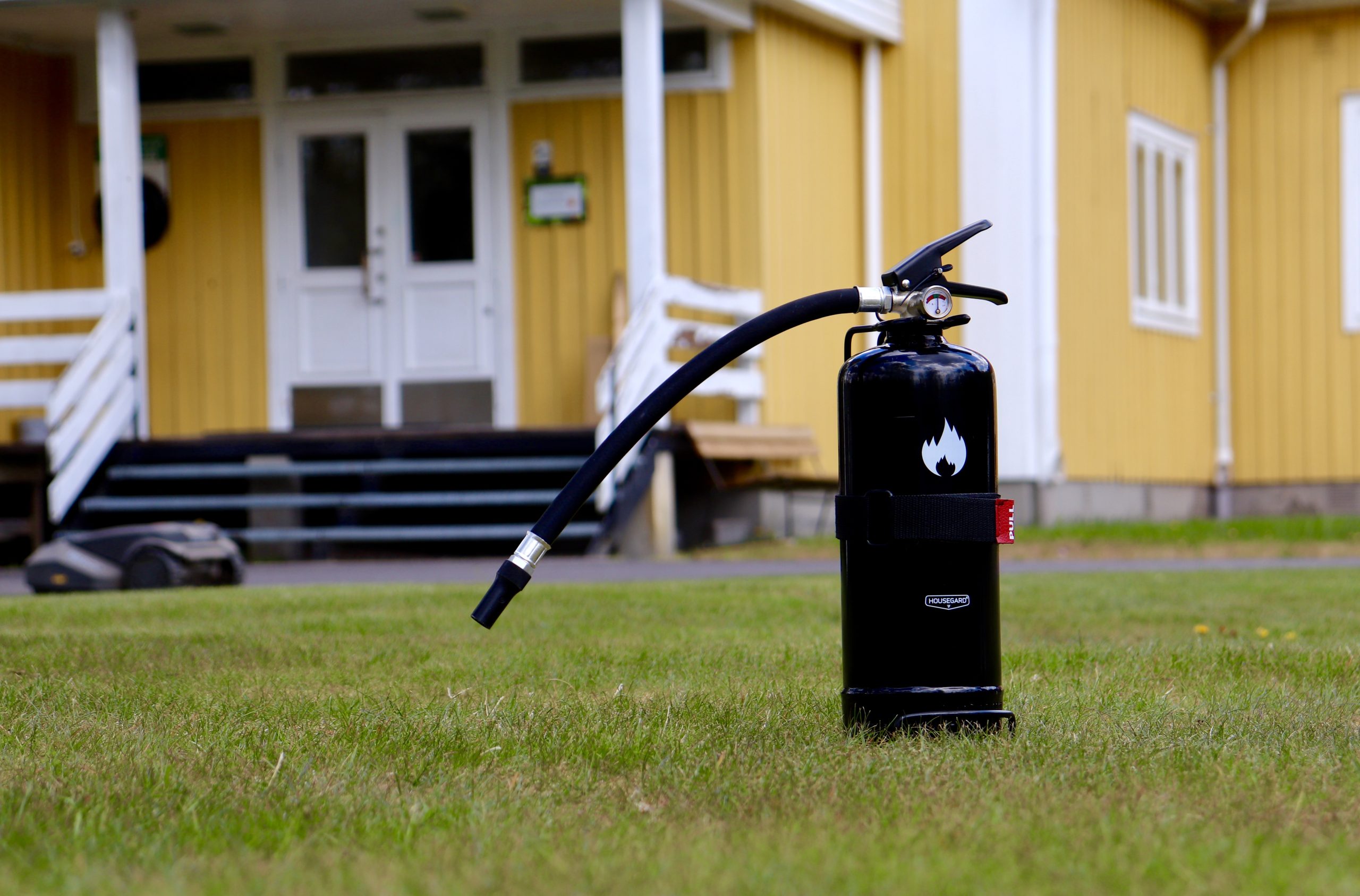
Thomas Wrååk notes that most people have a good knowledge of fire protection, but he believes that even more is required than what the Swedish Civil Contingencies Agency (MSB) recommends.
– I want to raise the level of fire protection; that is my motivation. MSB recommends about one smoke detector per floor; we recommend one smoke detector in every room. The earlier we find out that something has happened, the greater chance we have to extinguish fires or to ensure people's safety, he says.
The project has targeted the villages in the county that are about 20 minutes from the nearest emergency services.
– Even if I live five minutes from the fire service, a lot can happen, explains Thomas Wrååk.
A fire can start and develop quickly. The participants have seen this in videos during the training.
– We talk about how quickly the temperature can rise, the development of smoke, how much time you have from the moment the fire starts. It is no more than one or two minutes. After that, the fire will be too large to extinguish by yourself, he says and continues:
– This is important because it is with the help of such simple things that you can improve safety.
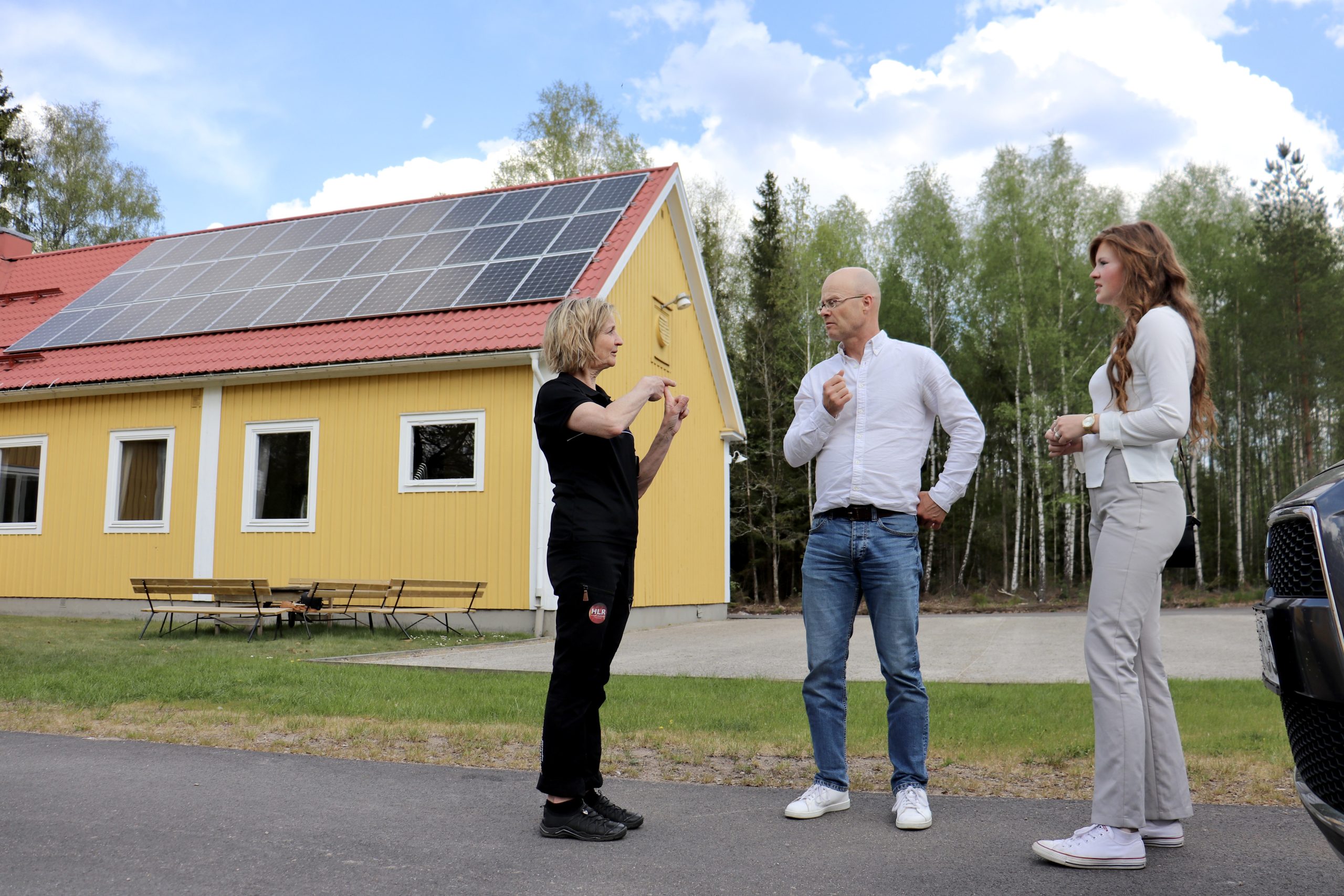
The project leader for Safe Village is Roger Andersson. He is the one who is the spider in the web. After vulnerable villages have been identified, he finds a contact person who is tasked with attracting participants. He writes information letters and coordinates training meetings.
– Then you hope that there is an interest. The local contact persons really take their assignment seriously. Sometimes it is traditional notes in the mailbox, sometimes it is Facebook groups. Now four defibrillators have been used. It is unfortunate that they need to be used, but it shows how important it is to place them in rural areas.
”It is common to have defibrillators
in cities. At companies. Locked away.”
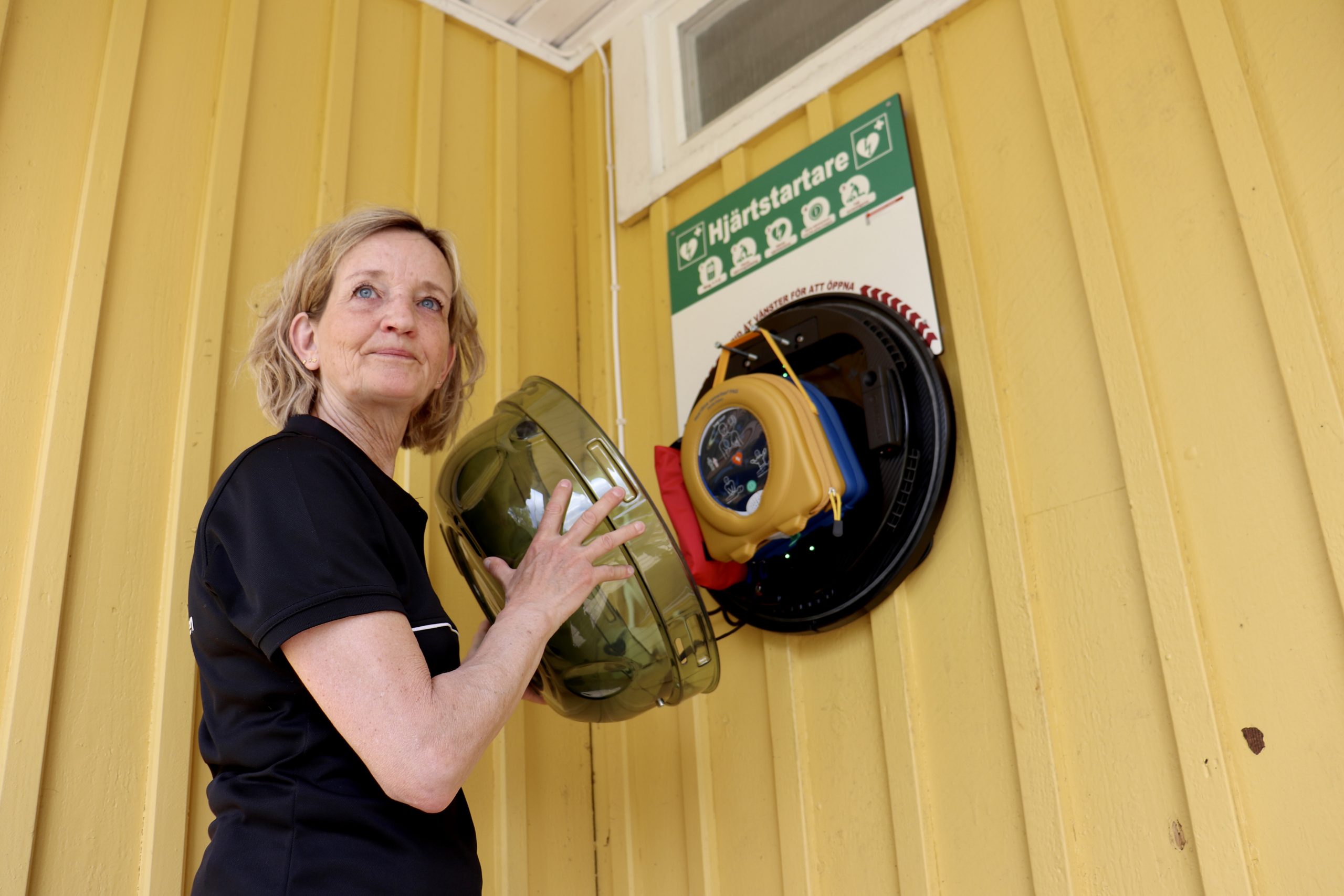
In addition to fire protection, it is specifically CPR that is in focus. Outside the community center Loke-Jät, Katarina N Lindahl parks her car, opens the trunk, and shows the CPR dummy. All participants receive a dummy during the course to practice on. On the outside of the community center, the defibrillator is mounted on the wall. The community received it after the course was conducted. It has also been used shortly after the course ended.
– It is common to have defibrillators in the cities. At companies. Locked away. Especially after 5 PM. I have long thought it would be good if they were available in the countryside where the response time is longer, says Katarina N Lindahl.
For 21 years she has trained in cardiopulmonary resuscitation. One day she received a call asking if she would be interested in participating in the project. She said yes immediately.
– It is a three-hour training, so they also learn to save people in acute medical conditions: asthma, diabetes, epilepsy, stroke. And they get a course book to take home so they can teach more, she says and continues:
– It takes too long for the emergency services to arrive. We have to try to save ourselves in the countryside. If there is a cardiac arrest, a defibrillator is required to restart the heart; it does not work with just cardiopulmonary resuscitation.
”I could be the one who misses the chance
to save someone else because I can't.”
Participants are also encouraged to register as SMS-lifeguards. Anyone who has taken a CPR course can do this. As an SMS-lifeguard, you receive an alert if someone nearby suffers a cardiac arrest.
– Otherwise, you won't find out until you see the emergency lights at the neighbor's. Just think of what difference you could have made there, says Katarina N Lindahl.
For those who hesitate about registering, she is clear:
– Imagine yourself in the other person's situation. If you are home alone with someone who has had a cardiac arrest. You would be glad for anyone who comes through the door, right? You can take care of a relative, the dog, help the ambulance find the way, if you are unsure.
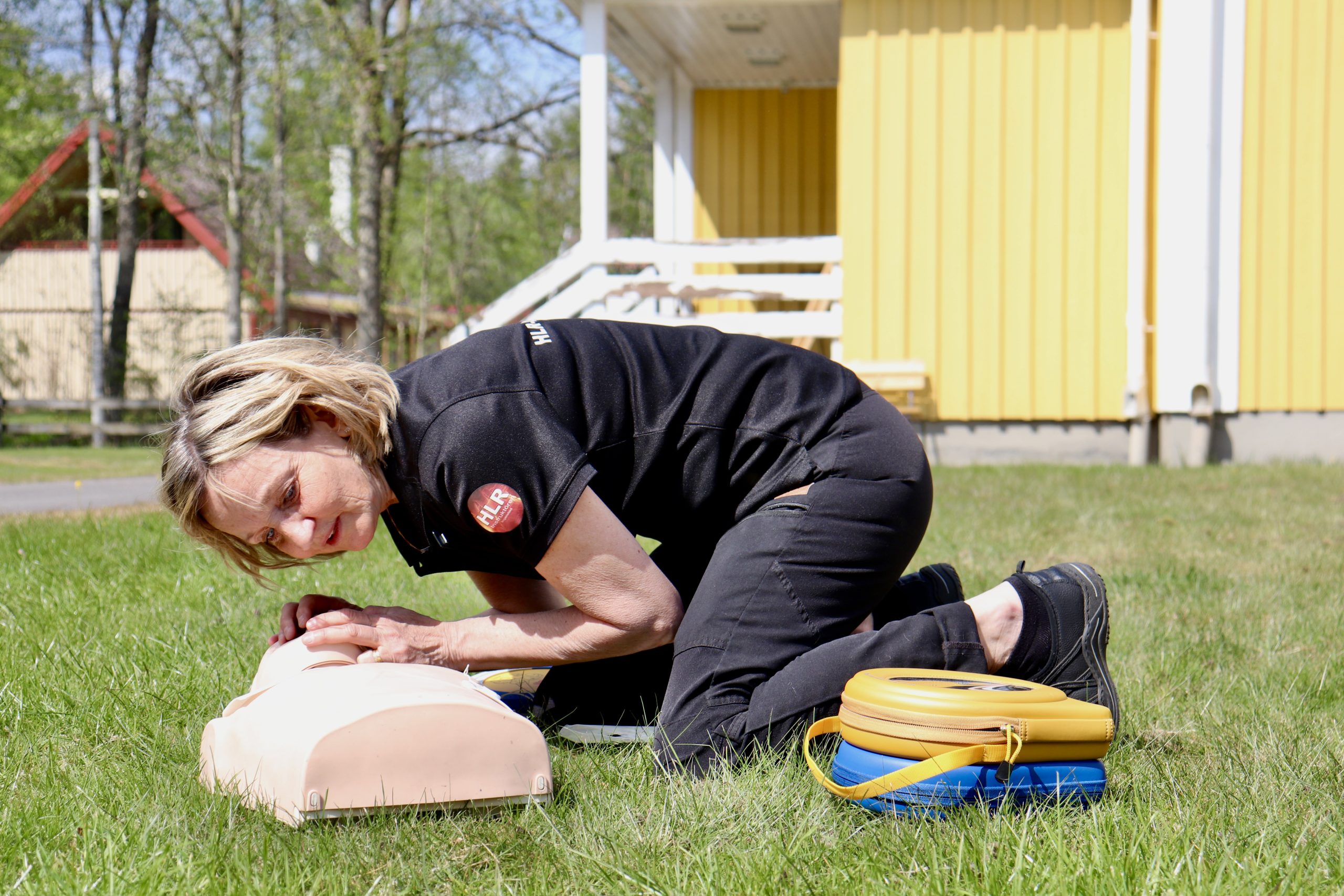
Over 30 villages are ready, 17 new ones are in progress.
– It should be done all over Sweden, every village. Everywhere. It is vital! This project is really great, to put it bluntly.
Jan Alpenberg enters the yard. He is the chairman of the Loke-Jät community center and can only agree with Katarina N Lindahl's words.
– I notice that the elderly feel secure knowing there is a defibrillator here. It provides such increased security, he says.
A year before the course was conducted, a CPR course was offered in the area, but it was canceled due to too few participants. Jan Alpenberg contacted the responsible parties and got a name: Roger Andersson. That’s how the ball started rolling.
– This is where a defibrillator should be, because this is where the people are. So I asked to have a course and to set up a defibrillator.
He was asked to engage as many people as possible.
– I told the board members to sign up, because this concerns everyone. We talked to relatives and people in the village to arrange a course, and we succeeded.
Jan Alpenberg himself has prior experience, both as a home guard medic and working in healthcare. He has also performed CPR after a car accident where he was the first on the scene.
– I know it works. It’s about being proactive; in most cases, you can handle it if you have received training. It feels good that it exists; both recreational activities and weddings are arranged here.
– I know it works. It's about being proactive; in most cases, you can handle it if you have received training. It feels good that it exists; both recreational activities and weddings are organized here.
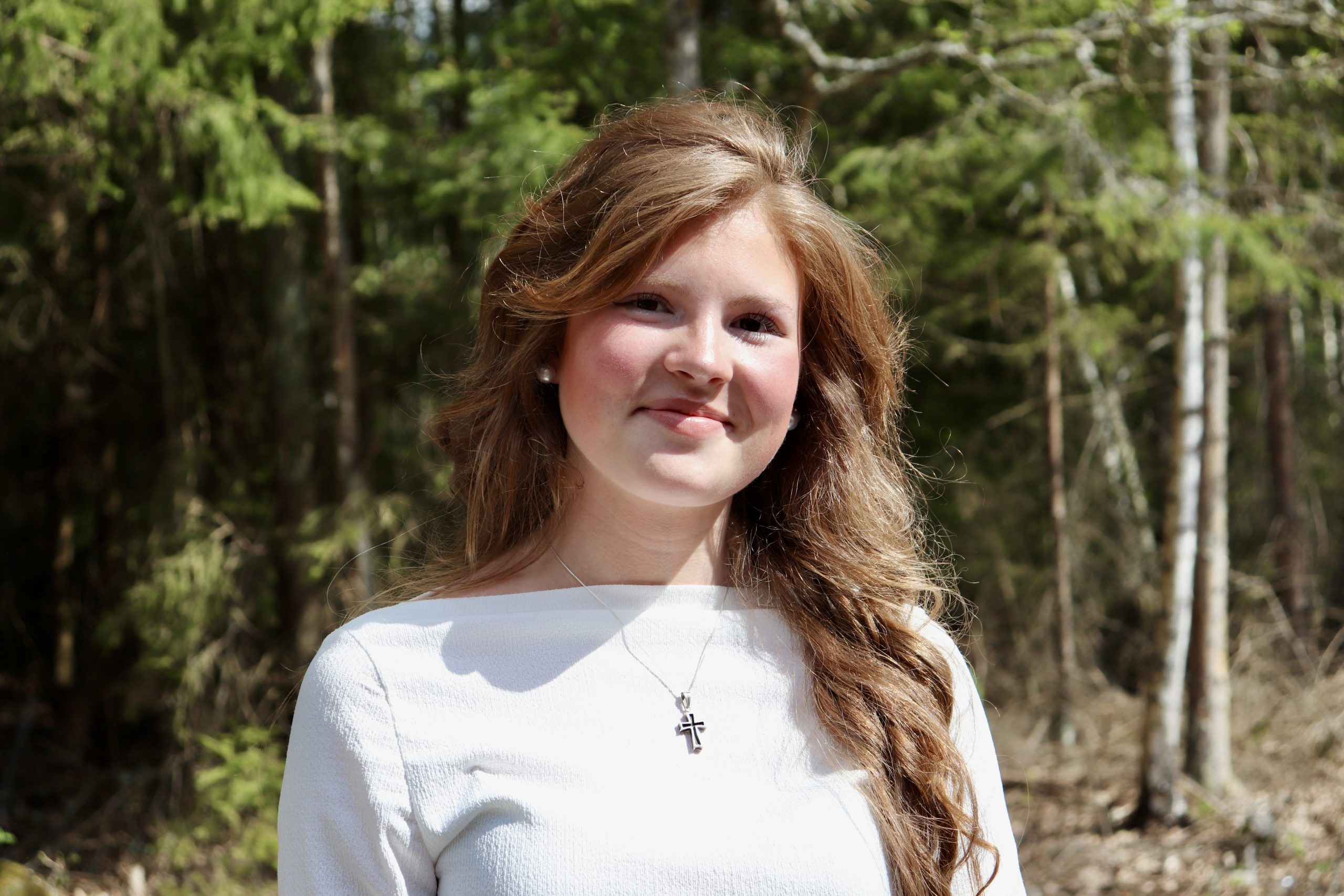
One of those who took the course is Jan's daughter, 21-year-old Emma Alpenberg.
– It is a good knowledge to have, especially if, like me, you have had several in your family who have suffered from cardiac arrest and heart attacks. I now know that I am not completely helpless if my loved ones or a stranger on the street were to suffer, she says.
Sometimes, before she took the course, she could think about how she would act if someone suddenly went into cardiac arrest.
– It can be a life or death situation, and I could be the one who misses the chance to save someone else because I can't. Unfortunately, I believe there are many who can't.
Now she feels secure.
– I am always prepared if something were to happen. Everyone should do this.
Do you want to know more about Safe Village? Visit Kronoberg's local heritage district website.
Published: October 17, 2023